
As electric vehicles become a more familiar sight on the road, they are also presenting new challenges for emergency personnel when something goes wrong.
To help address those challenges, Bow Valley College is collaborating with Navdex Solutions, a technology startup focused on EV firefighting. Supported by Mitacs, the applied research project explores how 3D vehicle modelling could support firefighters responding to electric vehicle fires.
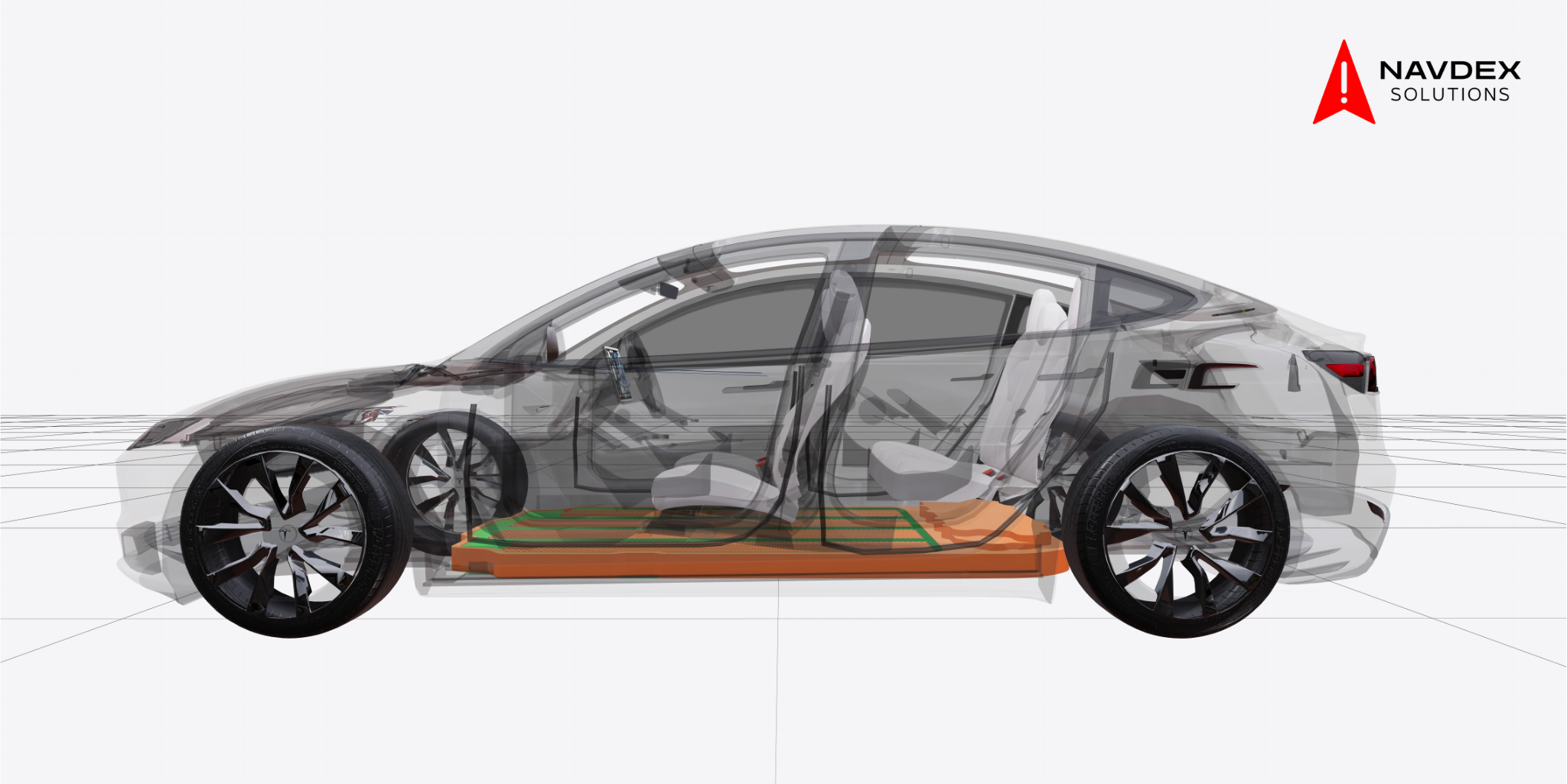
Together, the team is developing a 3D tool that provides a detailed look at electric vehicles and their battery systems. This information could help firefighters navigate some of the unique challenges associated with EV fires, including accessing and cooling protected battery packs.
Hamish Harrison, Manager of Applied Research at Bow Valley College, says the project is about making complex information about electric vehicles easier for firefighters to understand and use.
“The main focus is being able to visualize all of the different components within the cars so that the fire department has a better idea of how to tackle these things,” he shares.
For Jared Cappon, founder of Navdex Solutions, the idea grew from firsthand experience. A mechanic by trade who specialized in electric vehicles, Jared began looking more closely at the challenges posed by lithium-ion battery fires after experiencing a thermal event involving an electric vehicle. Through conversations with firefighters, that experience eventually helped shape the idea behind Navdex.
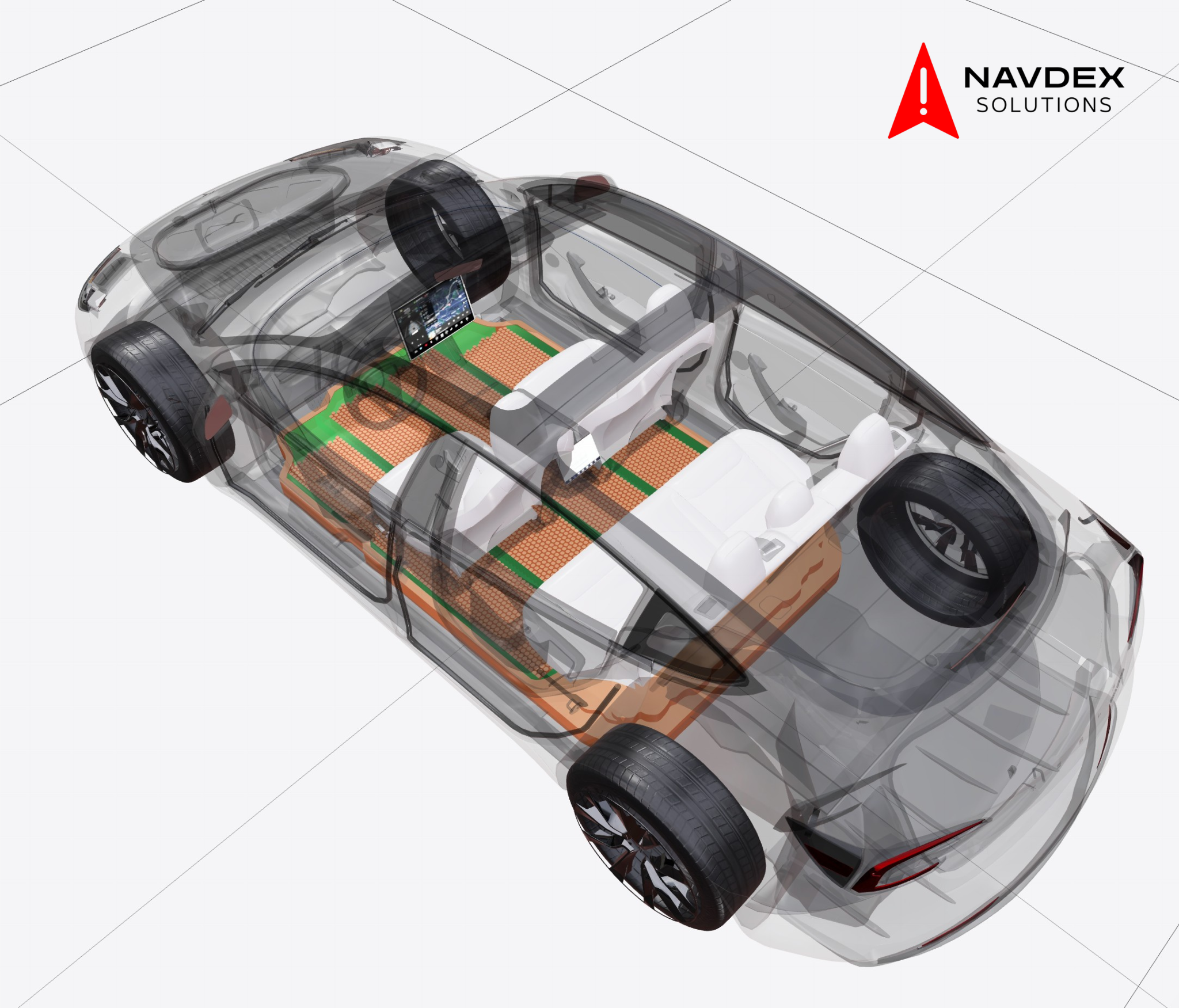
Traditionally, firefighters have relied on two-dimensional information about vehicles. The team is taking a different approach by creating three-dimensional vehicle models that can incorporate information about the battery pack and its construction.
The added detail can give firefighters a clearer picture of the vehicle as they consider how to approach it. As Navdex continues to develop the technology, conversations with fire departments in Canada and abroad are helping inform how the tool could respond to the challenges firefighters are encountering with electric vehicles.
Bow Valley College brings technology, resources and specialized expertise to the collaboration, including access to 3D scanning and augmented reality tools that are helping move the work forward.
The collaboration also creates opportunities for students to apply their skills to emerging challenges alongside industry.
“We’ve partnered with Mitacs to bring on a student who is well versed in 3D modelling,” Harrison says. “His objective is to develop a pipeline for being able to rapidly create car models in the way they need it done.”
Bow Valley College Game Development student Shea Coughlin is applying his 3D modelling expertise to the project. His work includes using the college's 3D scanning technology and collecting information that can be used in model rendering.
For Navdex, having that expertise on the team has made a difference.
“It’s been great to find someone who’s knowledgeable in that realm, because within 3D assets and renders, the language is the same across the board,” Cappon adds. “To have someone who speaks that language and knows what’s going on and is able to get up to speed really quickly has been an absolute blessing.”
Creating detailed 3D vehicle models can be labour-intensive, particularly as new vehicles continue to enter the market. A key part of the work underway with Bow Valley College is therefore bigger than developing a single model.
The goal is to make the modelling process faster and more efficient, helping Navdex expand its database as the technology develops.
The work is currently underway, with the Mitacs-supported portion of the project expected to run until March. By that point, the team hopes to have the pipeline further developed so it can create new vehicle models more efficiently.
Cappon underscores how Bow Valley College helped move the work beyond its earlier concept stage. “When the college came in, this is where it went from just a concept to actually being able to start to execute,” he says.
Ultimately, Navdex wants the information its technology provides to help firefighters become more confident and prepared when responding to electric vehicle fires.
For Cappon, there’s an opportunity to put innovation to work in a meaningful way.
“If we’re given the resources and the ability to start to innovate and address the issue before it becomes that big headline incident, that means we can start to actually address these problems."