%20(1).jpg)

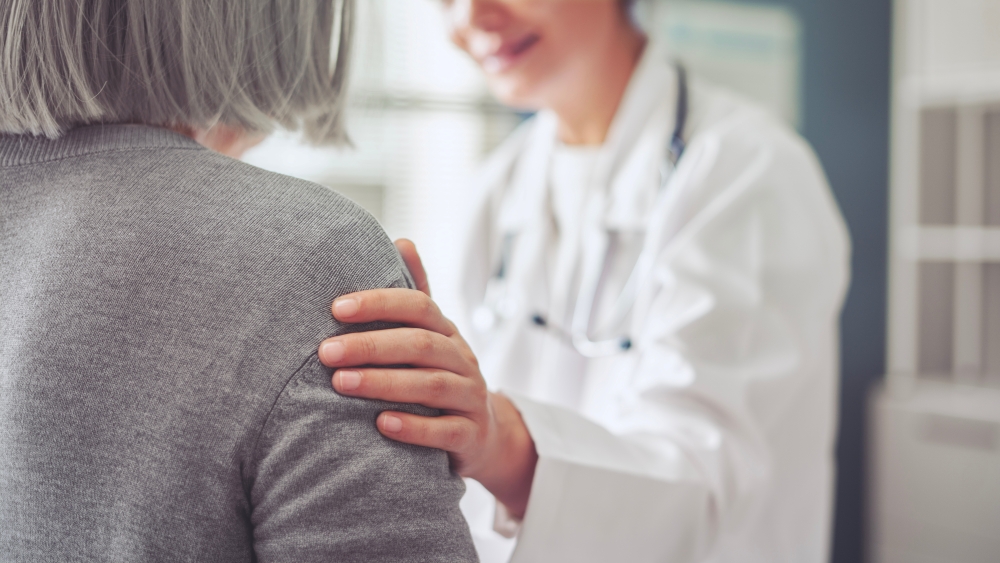
Mental health care is no longer confined to specialized units. In hospitals, continuing care facilities, and community clinics, healthcare professionals are increasingly encountering patients experiencing mental health challenges.
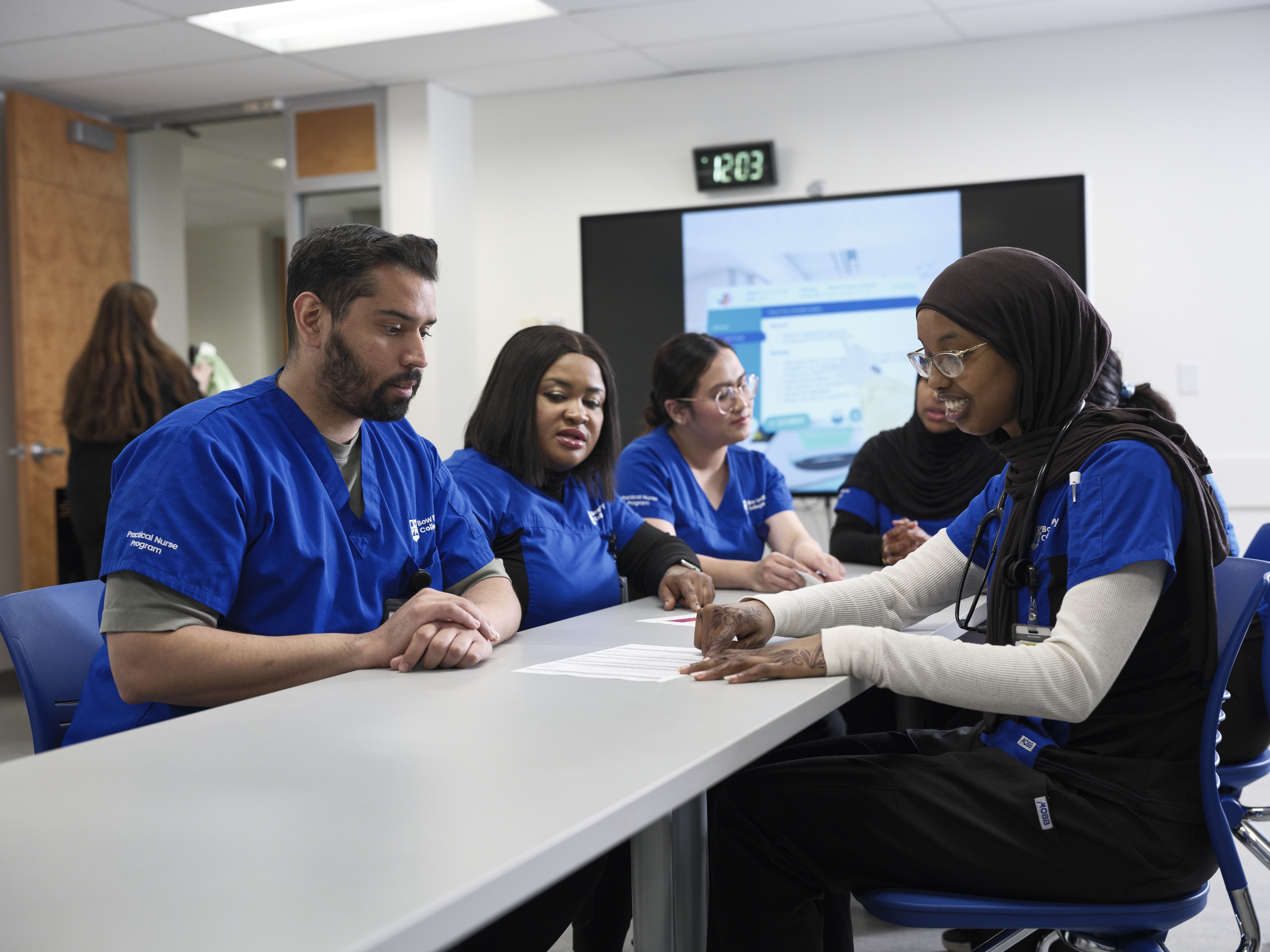
Many of the most important skills in mental health care, including communication, de-escalation and building trust, are difficult to learn from a textbook alone. At Bow Valley College, researchers are exploring how simulation-based learning can help future nurses build confidence before they encounter these situations in practice through a project titled Integrating MHA Simulation into PN Preceptorship: A Competency Gap Analysis.
"We thought we could do a research project leveraging our strengths in simulation," says Maria Manese, Program Chair in the School of Health and Wellness and one of the project leads. “I wanted the simulation to be tailored to real needs.”
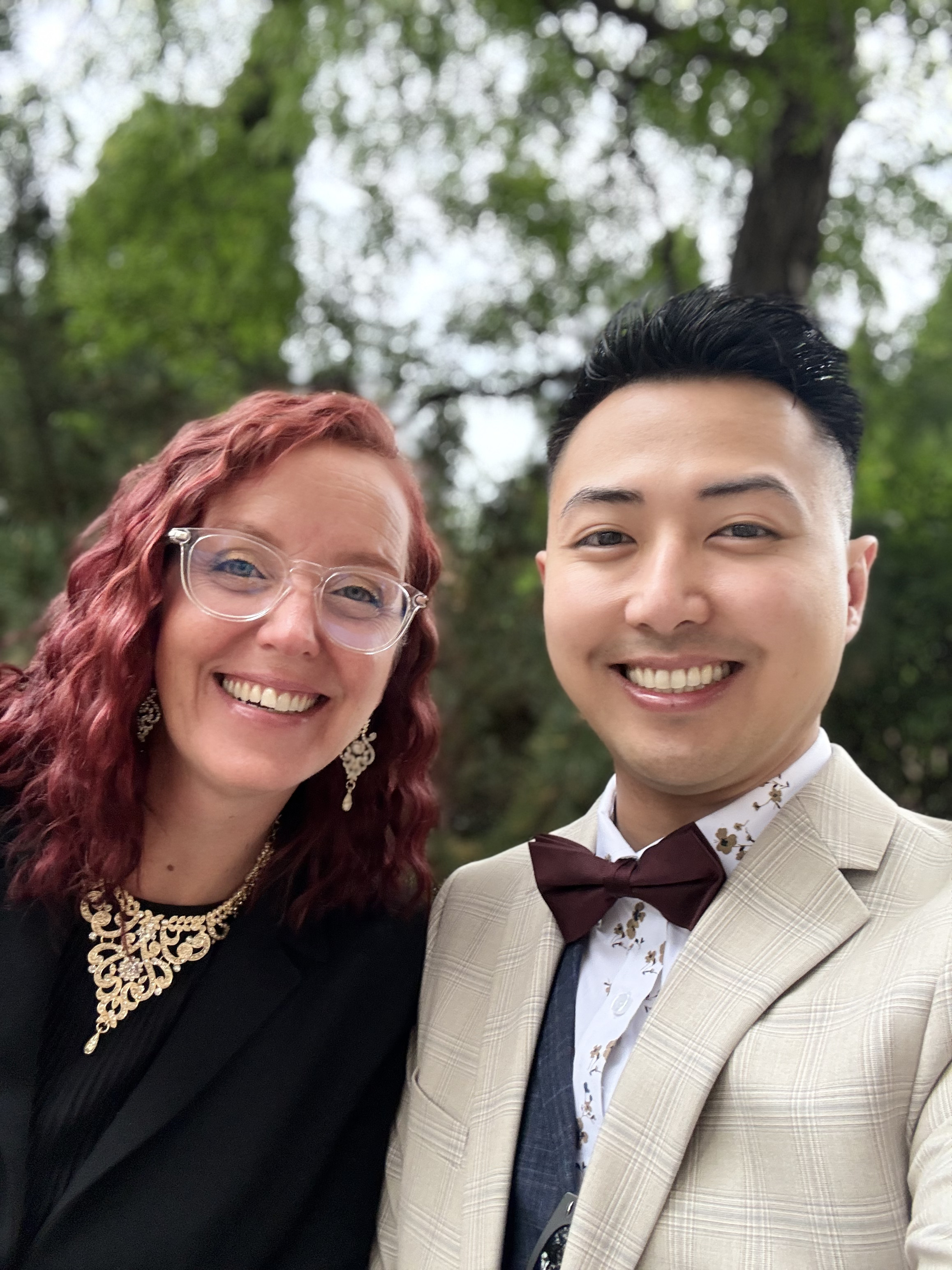
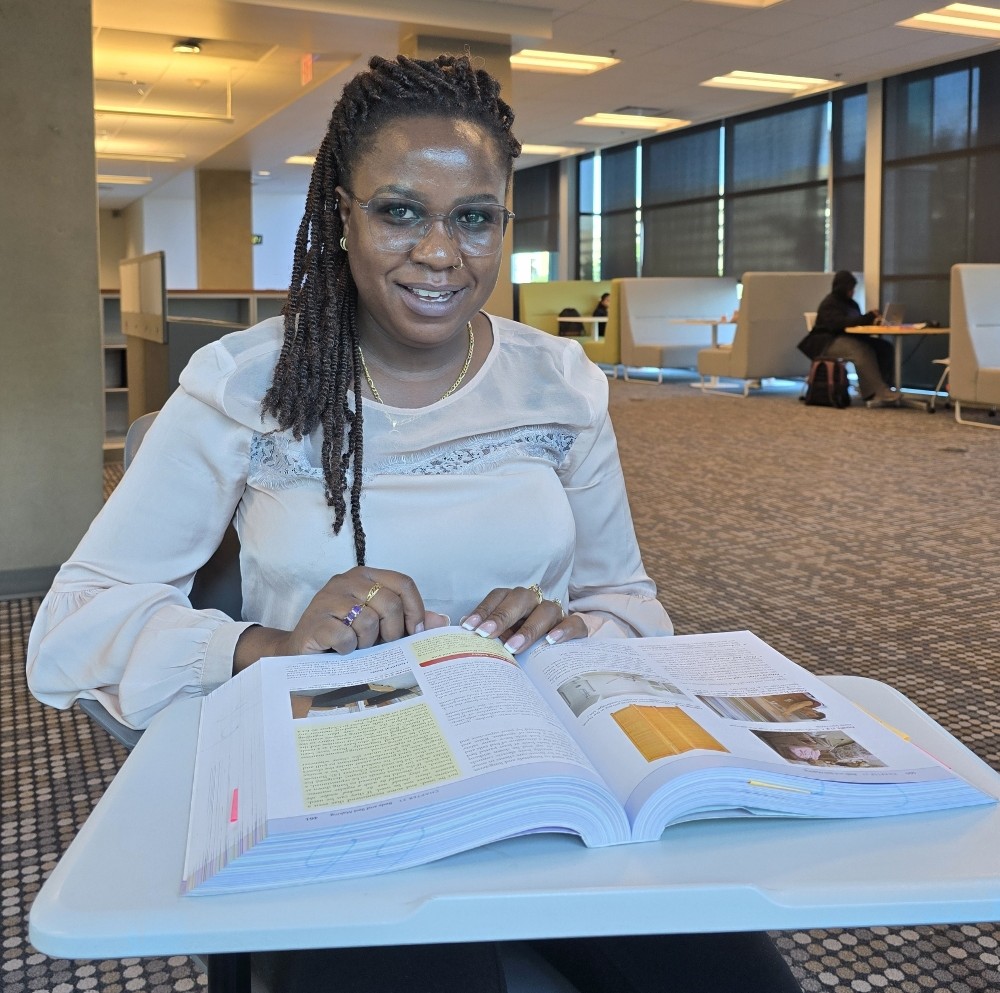
The project draws on the varied expertise of Bow Valley College’s applied research team to explore real-world challenges in healthcare. The team on this project includes Maria Manese, Kakali Majumdar and Jessamine Keith Pagada, with support from data specialist Amos Kafata providing valuable data analysis expertise as the research progresses.
For the project's first phase, researchers connected with professionals working in mental health and addictions settings across Calgary and the region to better understand the realities facing new nurses entering practice in Alberta. The Alberta Continuing Care Association supported the team’s outreach to professionals across the continuing care sector.
"Graduating and then getting experience in a complex mental health unit, it's very different in person," adds Jessamine Keith Pagada, Research Associate, Health and Health Technology. “It really highlighted the need for this kind of training to help our students even further.”
One message emerged clearly from conversations with healthcare professionals: mental health care requires more than theoretical knowledge.
"Reading communication guidelines is very different from actually implementing it when a patient is escalated," observes Manese. "Every patient is different. Their mental health needs can be very diverse."
Researchers also heard that mental health skills are needed across virtually every area of healthcare, not just specialized mental health settings.
"It is emotional labour to be in this kind of environment," Manese emphasizes. "You do need a special type of training."
To help address that challenge, the project is exploring the role simulation-based learning can play in helping students gain confidence before they encounter situations in real-world practice. Participants interviewed during Phase 1 of the research expressed strong support for simulation to build skills, confidence and workplace readiness.
For Kakali Majumdar, Research Facilitator and project co-lead, the project speaks to a broader conversation about mental health and the growing need for support across communities.
"Mental health is a global problem," she says. "It ranges from young to old. It doesn't have to be a patient. It can be someone at home."
By bringing together insights from healthcare professionals and translating them into practical learning opportunities, the goal is to support both future nurses and the healthcare organizations that rely on them.
"Together, we can work towards improving workforce development and retention, I think that will be our contribution to humanity," says Kakali Majumdar.
As the project moves into its next phase, the team will use insights from practitioners to shape future simulation-based learning for nursing students. The next phase will involve collaboration with Carewest, a healthcare partner to translate those findings into practical training experiences for their workforce.
The research reflects a growing reality across healthcare: nurses are increasingly supporting people experiencing mental health challenges wherever care happens.
As Manese puts it, "Patients with mental health issues can be in any setting. They can be in a hospital, they can be in a clinic, they can be in the street."