

Leione Gascon couldn't stop thinking about the people she met at work.
Healthcare has always been familiar territory for Leione. She grew up surrounded by family members working in different healthcare roles and has spent nearly a decade working in the sector herself, including in continuing care with older adults living with dementia and complex mental health needs.
Through that experience, she began to see how complex each resident's needs could be.

“It really is just people that are a bit misunderstood, and we're not capturing the full picture of why they're exhibiting these behaviors,” she said.
Those experiences made her curious about what could be changed.
“The current placement system just really underestimates how important environment compatibility is,” Leione adds. “A lot of focus is placed on assessing the residents with their diagnosis and their cognitive status, but not enough attention is given to the environment they're actually being placed into.”
Now, Leione is turning that curiosity into research through an Alberta Innovates Studentship. As one of the first Bow Valley College students to receive funding through the program, she is exploring how better-informed placement decisions could improve care for older adults living with dementia.
For Zahra Shire, PhD, Manager of Applied Research and Leione's Study Supervisor, programs like the Alberta Innovates Studentship are an important investment in the province's future. "We need the talent in Alberta to be empowered, and Alberta Innovates helps encourage entrepreneurial growth and health innovation," she said. "We're lucky to have them in this province."
The research examines whether current assessment processes capture enough information about a person's behavioral and care needs before they enter a new environment, with the goal of developing a more structured, risk-informed approach that considers the resident's needs alongside the environment they are entering and the capacity of the care team supporting them.
During her research project, Leione engaged 57 frontline workers across the continuing care sector. The team is currently compiling the findings and conducting data analysis, with the goal of disseminating the results to the community and publishing the work in a peer-reviewed journal to contribute to evidence-informed practice in continuing care.
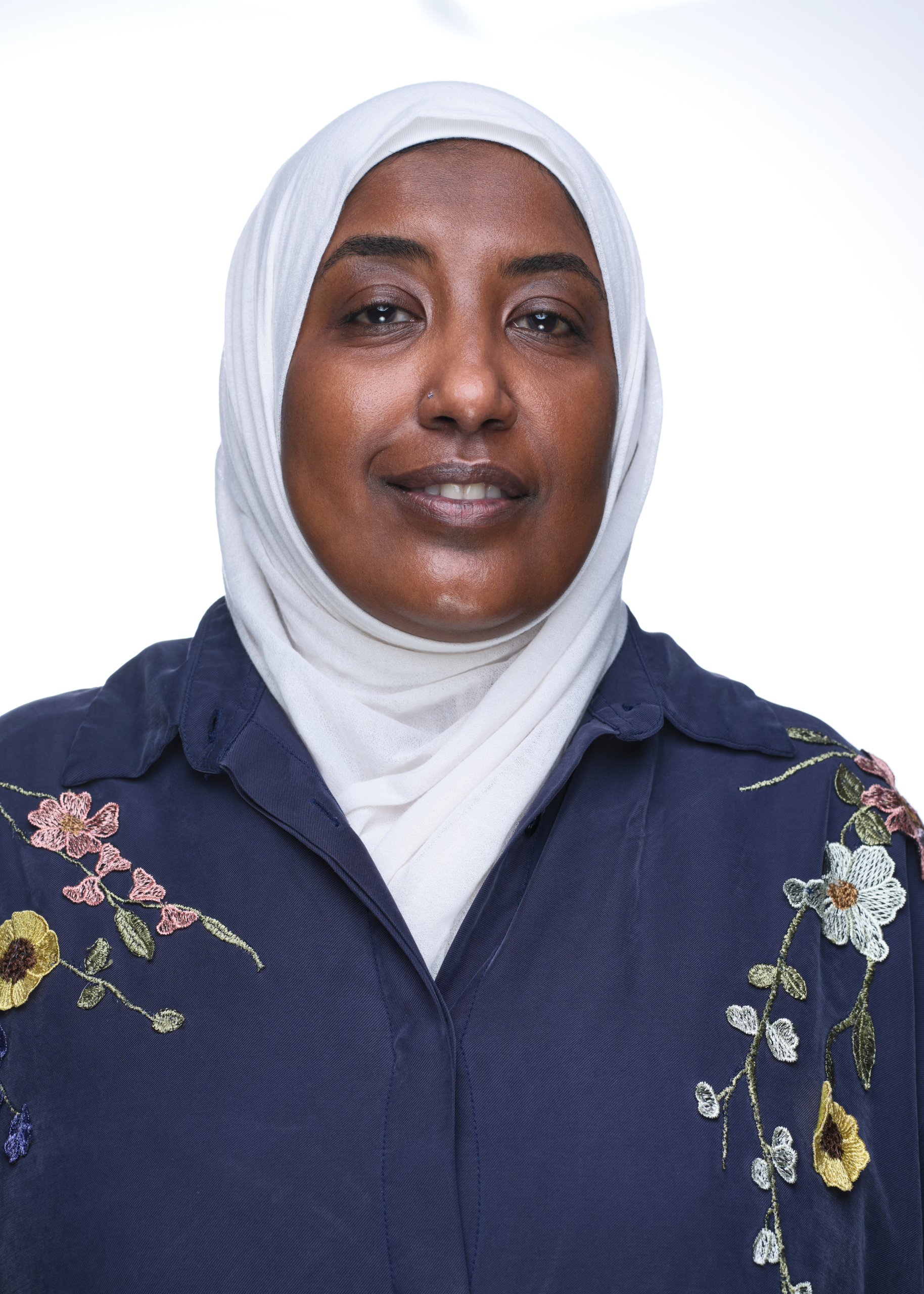
In her final year of Justice Studies at Bow Valley College, Leione's interest in the issue reflects her passion for advocacy and her desire to understand how systems can better serve the people within them.
For her, research offers another way to advocate: moving beyond identifying a problem to building the evidence needed to support change.
This work has also introduced Leione to the research process. Through the project, she is gaining experience conducting literature reviews, developing research tools, navigating ethics protocols and analyzing data
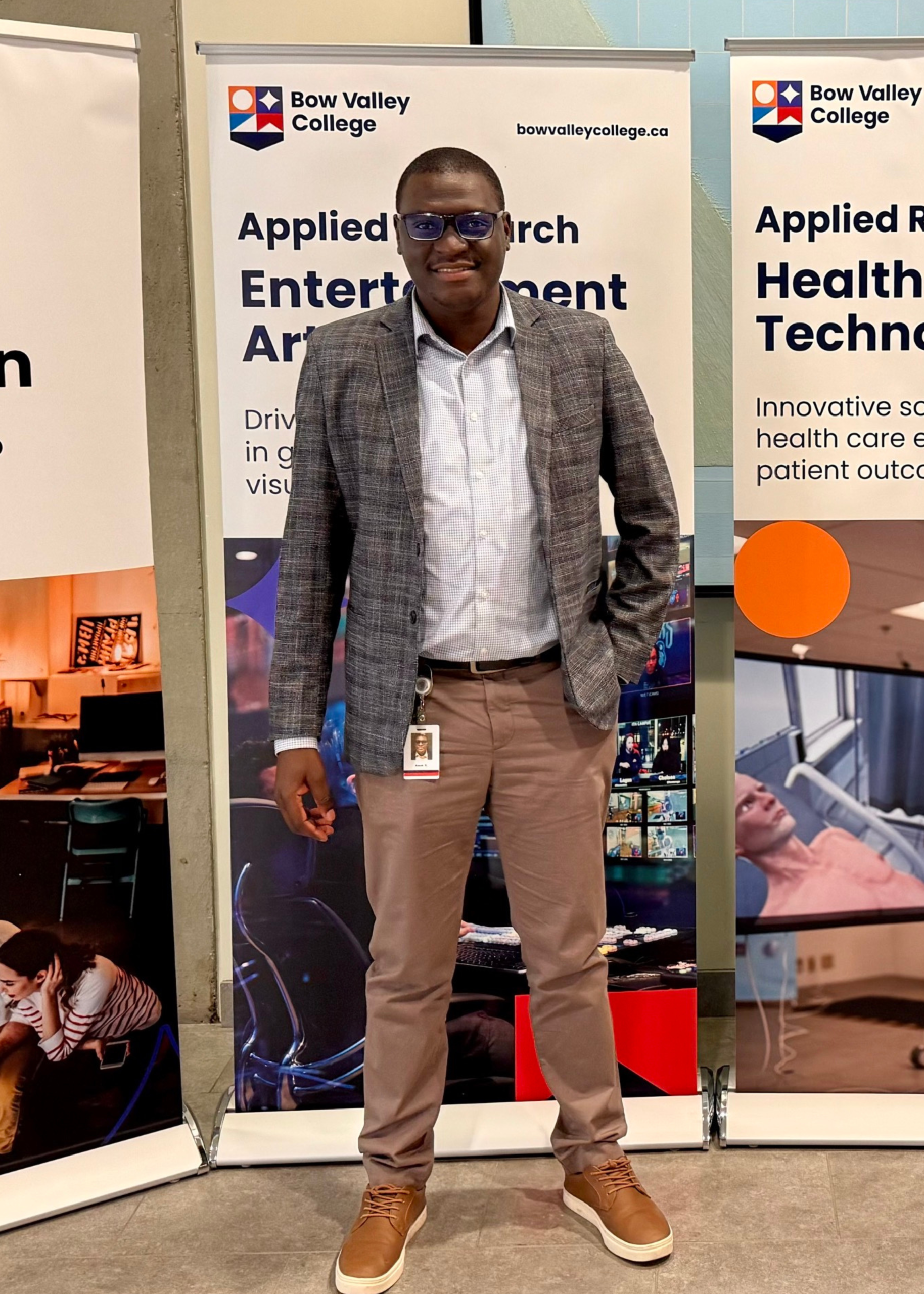
The study brings together academic research and industry expertise. Leione is supported by Bow Valley College's Applied Research team, including Research Associate Jessamine Keith Pagada, BScN, Data Specialist Amos Kafata, MPH, and Dr. Zahra Shire, Manager, Applied Research.
The research also benefits from an industry partnership with Tara Preston, Director of Policy, Partnerships & Research at the Alberta Continuing Care Association. As an industry partner, Preston brings expertise from Alberta’s continuing care sector and helps connect the research to the realities and needs of the field.
One of the biggest challenges has been designing research that is academically rigorous while still reflecting the realities of healthcare workers. The survey questions, for example, need to produce useful data while remaining relevant and practical for people working in busy continuing care environments.
For Dr. Shire, one of the most compelling aspects of the project is that it grew from a frontline worker identifying a gap and wanting to do something about it.
"Healthcare aides are the backbone of continuing care. If we don't listen to the voices of those providing direct care every day, how can we expect to improve care or retain the workforce our sector depends on?" she said. “Leione is working toward empowering others in the sector and improving quality of life for the residents.”
"What stood out to me is her strong commitment and sensitivity to residents 'needs and experiences," she added. "She does not own the clinical decision or even contribute to clinical decision-making in her role as a healthcare aide. However, she said, 'My voice needs to be heard. I'm the one caring for the resident. For the safety of me and the senior resident, I need to talk about this.'"
Together, the team is working to ensure the research is both methodologically sound and grounded in the realities of continuing care, with the hope that the work can provide a foundation for future research.
The project began in May 2026 and is now in its data analysis phase. Research, Leione has learned, does not always begin with knowing exactly what the answer should be.
“If you've ever noticed something that didn't quite feel right or thought where improvements could be made, you know, that's where research begins," she reflected.
She encourages other students to be open to the opportunities research can create. “Opportunities like the studentship with Alberta Innovates give students a great chance to make a really meaningful contribution while in school and develop skills that'll be useful throughout their entire career.”

For Leione, the studentship has offered a chance to take something she noticed on the front lines and turn it into research that could help inform change in continuing care.
“I hope it does lead to long-term change when it comes to standardized assessments for older people living with dementia,” she shares. “I hope it can also contribute to someone else's future research and be used as a source for another project or just further research really.”
Her research may begin with placement decisions, but the hope is that it can contribute to a continuing care system where older adults are matched with environments where their needs can be understood, supported and cared for.

We gratefully acknowledge Alberta Innovates for its support of this research.




%201%20(2).jpg)